
The Impact of Weather on Crane Operation
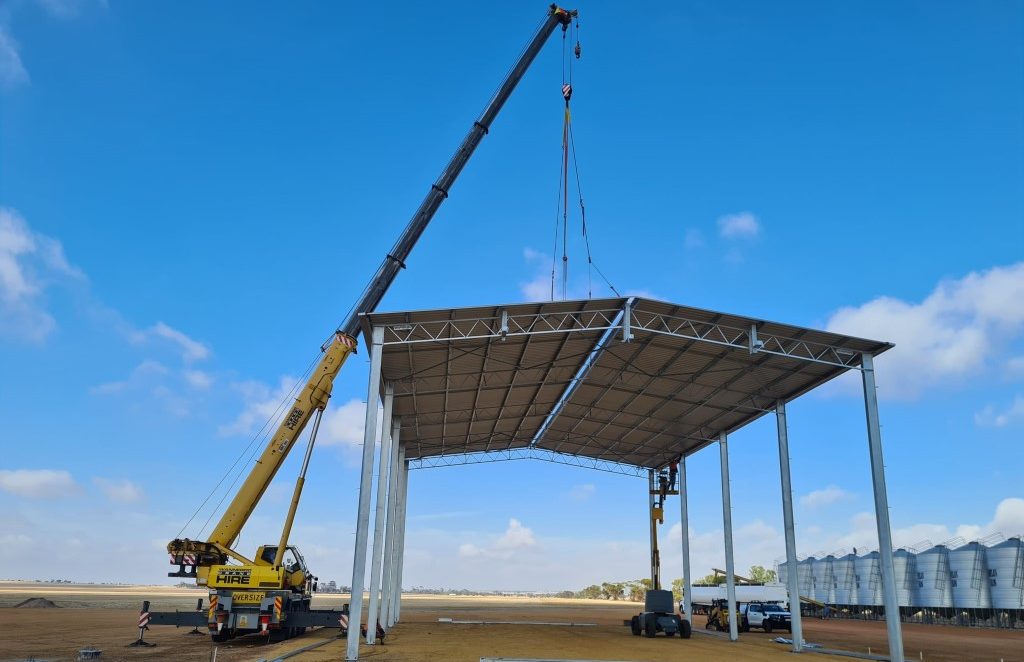
When operating a crane, adverse weather elements can not only significantly delay a project’s timeline but also compromise safety. In WA, fluctuating weather isn’t uncommon. From the coastal winds to the intense summer heat, weather is one of the greatest variables influencing your project.
Operating a mobile crane safely requires more than just skilled operators; it demands a deep understanding of how specific climates can affect stability, visibility, and ground integrity. At Wanneroo Crane Hire, we adhere to strict weather protocols, driven by extensive local experience and regulatory knowledge.
Strong Winds
Wind is one of the most challenging weather elements for crane operators. When wind acts upon a slew crane’s boom or a suspended load, it causes the load to sway and drift, affecting precision and safety. Wind also creates lateral forces that push the entire crane system sideways. When the lateral force becomes too great, it compromises the crane’s centre of gravity, significantly increasing the risk of a tipping failure.
Every crane has a specific maximum in-service wind speed, mandated by the manufacturer and adhered to by Australian standards. Typically, operations cease when the wind speeds exceed 32-50 km/h, though this also depends on other site-specific factors. Our operators are trained to monitor real-time, accurate wind data and halt lifting operations immediately when the maximum safe working wind speed is reached.
Heavy Rain
Heavy rainfall can severely limit an operator’s visibility and increase the risk of on-site accidents. If a clear line of sight to the load or worksite cannot be established, the lift’s safety is compromised, and the operation must be delayed.
When heavy rain saturates the soil, the ground’s bearing capacity also drastically reduces and becomes unstable. Ground instability can lead to sinking and compromise the crane’s stability ratio, potentially resulting in a crane tip-over.
Lightning is another significant danger in rainy conditions. Cranes are often the tallest metallic structures on a construction site, making them easy targets for lightning strikes. Lightning strikes pose severe, life-threatening risks to all workers on site and can cause damage to electronic and mechanical components.
Extreme Heat
WA’s high summer temperatures introduce risks that are critical to crane operation safety. Extreme heat causes engine and hydraulic fluid temperatures to increase rapidly, resulting in inefficient and unresponsive controls, as well as potential system failure. Prolonged exposure to heat also accelerates wear on structural parts, wires, and cables.
High temperatures are also a major concern for operator welfare. Operators working within the high ambient temperatures face elevated risks of heat-induced fatigue and dehydration. These effects can severely impair essential cognitive functions, including concentration, reaction times, and decision-making. The heat not only affects the welfare of operators but also dramatically increases the probability of a critical error that could risk the safety of the operation.
Safety and Compliance
The successful execution of complex lifting operations in WA’s environment requires local knowledge and expertise. Wanneroo Crane Hire is Perth’s trusted crane hire, dedicated to bringing an unwavering commitment to safety and highly trained personnel to every lift, ensuring risks are mitigated and regulations are followed. From forceful winds and heavy rain to the stress of extreme heat, our team implements strict protocols that protect operator welfare while still delivering reliable outcomes.
Don’t let unpredictable weather threaten the safety of your project. Contact us today for reliable crane hire in Perth and unmatched operational excellence.
Read more on our other blogs: